Skilled Home Health Nurses & Post-Acute Clinicians Who Keep Recovery at Home
Healthcare doesn't end when a patient leaves the hospital. For many patients, the next stage of recovery happens at home, in rehabilitation settings, or through post-acute care services. Making that transition safely depends on having experienced clinicians who can provide the right care, recognize complications, and support patients and their families along the way.
Yet home health agencies, hospice providers, and healthcare organizations expanding hospital-at-home programs continue to face staffing challenges. Experienced nurses are in high demand, and losing skilled clinicians can disrupt patient care, increase workloads, and put additional pressure on the remaining team.
Relode helps healthcare organizations strengthen home health and post-acute staffing while building a workforce clinicians want to stay with.
The Growing Challenge of Home Health & Post-Acute Staffing
That shift creates new staffing demands.
Home health nurses need more than clinical knowledge. They often work independently, manage complex patient needs, communicate with families, coordinate with physicians, and make important decisions outside a traditional hospital environment.
When experienced clinicians leave, agencies lose more than a team member. They lose clinical judgment, patient familiarity, continuity of care, and the experience that helps new clinicians navigate challenging situations.
Replacing that experience isn't always easy. Recruiting takes time, onboarding requires resources, and understaffed teams can quickly become overwhelmed.
Clinician Retention First: Countering the Experience Drain

Rather than treating workforce challenges as a series of vacancies, we focus on identifying the factors that influence clinician satisfaction, engagement, and long-term commitment.
Our approach recognizes that clinicians are more likely to remain in an organization when they feel supported, valued, and able to grow professionally.
How Relode Supports Home Health & Post-Acute Workforce Retention
Healthcare leaders can use these conversations to identify concerns such as workload, scheduling, communication, travel demands, administrative burden, and opportunities for advancement.
Relode supports retention-focused workforce strategies that encourage organizations to listen before problems become reasons to leave.
These pathways may include specialty training, leadership development, mentoring roles, advanced clinical responsibilities, or opportunities to transition into different care settings.
When clinicians can grow without feeling they must leave to advance, organizations have a better opportunity to retain valuable experience.
Strong organizational culture helps bridge that distance.
Regular communication, accessible clinical leadership, peer support, recognition programs, manageable workloads, and responsive management can make a meaningful difference in how clinicians experience their work.
Relode helps healthcare leaders identify workforce strategies that reinforce a culture where clinicians feel connected to their team, even when they work outside traditional healthcare facilities.
Smarter Workforce Planning
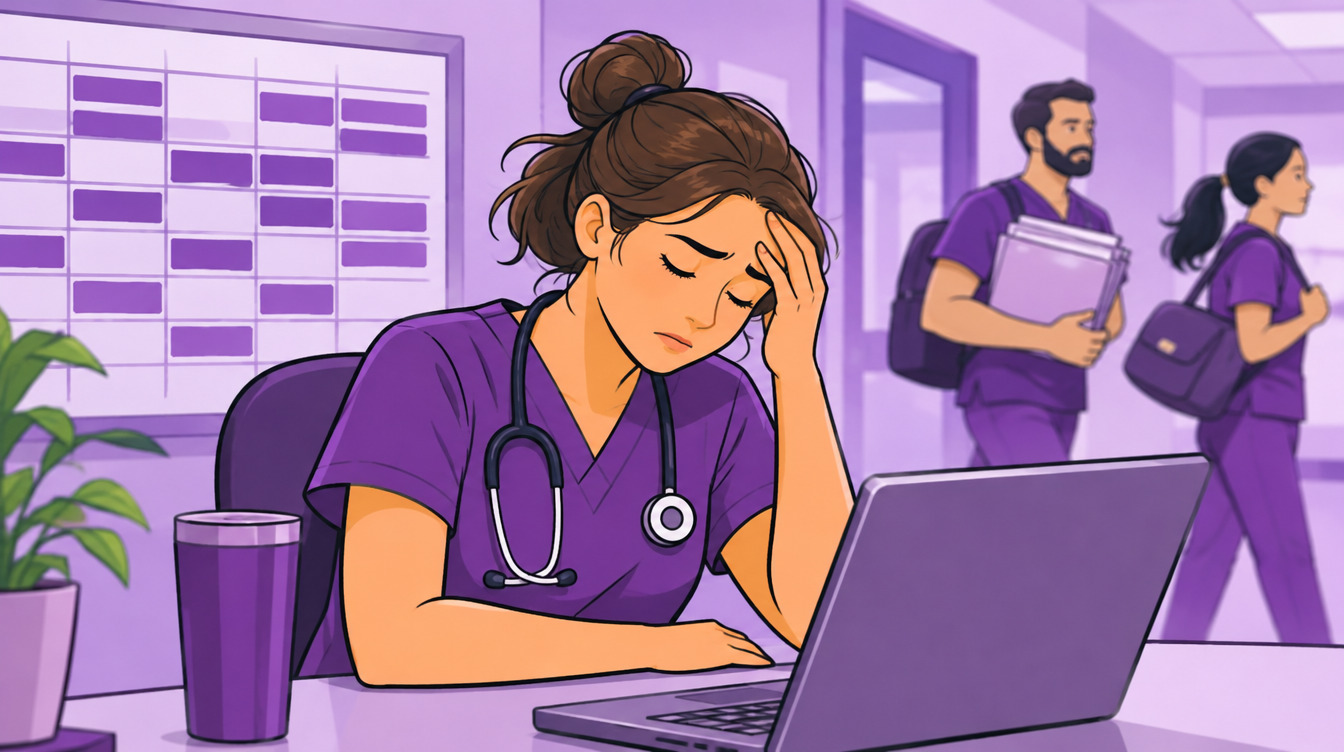
Retention is closely connected to staffing decisions. When schedules are consistently overloaded or coverage gaps force clinicians to take on additional visits, burnout can become difficult to avoid.
A proactive workforce plan considers patient demand, geographic coverage, clinical specialties, anticipated turnover, and recruitment timelines.
Relode helps healthcare organizations think beyond immediate vacancies and develop staffing strategies that support continuity, workforce stability, and long-term operational needs.
What Our Home Health & Post-Acute Staffing Approach Delivers
A stronger workforce starts with a more thoughtful staffing strategy.
Relode's retention-focused approach can help healthcare organizations
Protect clinical experience:
Reduce the loss of experienced nurses and post-acute clinicians through targeted retention initiatives.
Improve clinician engagement:
Create opportunities for feedback, professional development, and meaningful workplace support.
Strengthen workforce stability:
Identify staffing pressures early and develop strategies to address turnover risks.
Support continuity of care
Maintain dependable clinical teams that help patients and families navigate recovery.
Supporting the People Behind Recovery at Home
Home health and post-acute clinicians play an essential role in helping patients recover, manage chronic conditions, and receive compassionate care outside the hospital. Their experience, judgment, and relationships with patients can make a lasting difference.
But supporting those outcomes starts with supporting the clinicians who deliver the care.
Healthcare organizations need workforce strategies that recognize the demands of home-based care, make room for professional growth, and build environments where clinicians feel supported throughout their careers.
Relode helps healthcare leaders take a more proactive approach to clinician retention, workforce planning, and staffing stability.

Build a More Stable Home Health Workforce with Relode
Whether your organization is experiencing turnover, expanding home-based services, or looking for ways to improve clinician engagement, Relode can help you build a workforce strategy centered on people, experience, and sustainable care.